로그인
로그인
Why is RAM so expensive right now?
If you are shopping for a new gaming PC or looking to upgrade your current rig, you have likely noticed that memory (RAM) prices have been climbing steeply. This is not a mistake or a simple sale tactic; the cost of both DDR4 RAM and the newer DDR5 memory has seen a significant surge across the entire industry. Understanding why RAM is so expensive right now comes down to two shifts: AI data centers buying up memory, and manufacturers winding down DDR4.
Updated October 2026.
Short answer: RAM is expensive because AI servers are absorbing memory production. Samsung, SK Hynix, and Micron are moving wafer capacity to high-bandwidth memory (HBM) and server DDR5, so less consumer DDR5 and DDR4 reaches store shelves. TrendForce put the jump in DRAM contract prices at a record 90 to 95% for the first quarter of 2026, and Tom's Hardware found retail memory prices up about 500% in 12 months. Prices are rising more slowly now, but they are not falling yet.
The two biggest reasons RAM is so expensive right now
The price of PC components like RAM often follows cycles of supply and demand. What is different this time is the sheer scale of one specific demand driver: Artificial Intelligence (AI) infrastructure. This massive new market is changing how memory manufacturers prioritize their production lines, directly impacting the cost of memory for gamers and PC builders.
1. The massive demand for AI servers
The largest and most urgent consumer of high-performance memory today is the AI and data center industry. Training and running sophisticated AI models, like the ones that create images or hold complex conversations, requires astronomical amounts of memory.
-
Server-grade memory: These data centers buy specialized, ultra-high-capacity memory like High-Bandwidth Memory (HBM) and large DDR5 RAM modules. This demand is so intense that major memory manufacturers like Samsung, SK Hynix, and Micron are dedicating an increasing amount of their resources and production capacity, which is limiting supply for gaming PCs.
The domino effect: By prioritizing these enormous, lucrative enterprise orders, manufacturers are unintentionally producing less standard consumer-grade DDR5 and DDR4 memory. This creates a shortage in the regular retail channel for PC components, which drives prices up for everyone.
2. The phase-out of DDR4 RAM production
While the industry is transitioning to DDR5 as the new standard for modern CPUs, there are still millions of systems globally that rely on DDR4. Manufacturers began scaling back their DDR4 production lines to shift resources to the newer DDR5 and high-margin AI memory.
-
Sudden scarcity: This wind-down in DDR4 production has made existing stock scarce. The result is an unusual market scenario where the price of the older DDR4 is not dropping, but is instead rising sharply because the available supply is shrinking fast.
-
System builder dilemma: PC and server companies that still rely on DDR4 for their systems are rushing to buy up the remaining stock, further fueling the scarcity and price increase for DDR4 kits that consumers want to use for budget builds or older motherboards. The RAM price hike is a direct result of the industry prioritizing server memory and winding down DDR4 production.
RAM prices in 2026: the numbers
Memory makers sell to PC brands and module makers on quarterly contracts. TrendForce tracks those contract prices, and its 2026 forecasts are the steepest it has published:
Q1 2026: DRAM contract prices up 90 to 95% quarter on quarter, a record. TrendForce expected PC DRAM to at least double.
Q2 2026: forecast up to another 63%.
Q3 2026: forecast to rise 13 to 18%. Slower, but still going up from an already high base.
At retail, that shows up as sticker shock. Retail memory prices are up about 500% in 12 months, with some 128GB DDR5 kits at $3,399, up to 10 times the lowest price ever tracked (Tom's Hardware).
Sources: TrendForce, February 2026; Tom's Hardware, Q2 2026; The Register, September 2026.
Is RAM still expensive? When will prices drop?
Yes, RAM is still expensive as of October 2026. The pace has cooled: TrendForce expects contract prices to rise 13 to 18% in Q3 as PC buyers hold off on all but essential upgrades. That is slower growth, not a drop, and nothing on the supply side has eased yet.
Prices come down when one of two things happens: new memory fabs add enough capacity, or AI server demand slows. Neither is close, so expect high memory prices through the rest of 2026. If your current kit works, there is no rush to replace it. If you are building now, buy the capacity you need once instead of planning to add sticks later.
Why the cost of memory matters for gaming
RAM, or Random Access Memory, is essentially your computer’s short-term memory. It stores the active data that your CPU needs right now—like the game’s open levels, your operating system, and all running applications. Having enough fast memory is crucial for a smooth gaming experience.
Faster frame rates (FPS)
RAM speed and capacity directly affect your CPU's performance. The faster your CPU can access data from the RAM, the sooner it can send instructions to your GPU.
In CPU-intensive games or games running at high frame rates, having quick DDR5 memory at a high frequency (like 6000MHz or more) reduces latency, giving you higher and more stable FPS.
Improved multitasking and content creation
If you like to game and stream at the same time, or if you edit video on your PC, memory capacity becomes a major bottleneck.
Modern gaming usually requires at least 16GB of RAM for a great experience, but 32GB is becoming the standard for enthusiasts who stream, run multiple monitors, or leave a dozen browser tabs open.
More RAM lets your system handle the game, streaming software, and background tasks without slowing down or crashing.
Future-proofing your rig
While a specific shortage is causing the current price spike, the need for memory in general is only going up. Installing 32GB of fast DDR5 today is a better long-term investment than just 16GB.
New AAA games are becoming more demanding with their system requirements, and the overhead of the operating system and background apps is always increasing. Investing in a good RAM kit now gives your PC more performance headroom for future titles.
How much RAM do you need in 2026?
While prices are high, you still have to build or buy a PC. Your choice depends entirely on what CPU/motherboard platform you are using and what resolution you play at.
Entry-Level (1080p Gaming): Look for a system with 16GB of DDR4 memory running at around 3200MHz. This is enough for solid performance in almost every modern game at this resolution. DDR4 is still a valid option for budget-conscious builds using compatible CPUs.
-
Mid-Range (1440p Gaming): Aim for 32GB of fast DDR5, ideally in the 6000MHz range. This capacity offers the best balance for high-refresh 1440p gaming and streaming without becoming a bottleneck. This is the sweet spot for current-generation systems.
High-End (4K Gaming): Stick with 32GB of high-speed DDR5 (6000MHz+) but prioritize tighter timing, such as a low CAS latency. For power users and content creators, consider moving up to 64GB of DDR5 to ensure complete freedom for heavy multitasking.
Your NZXT options while RAM prices are high
Whether you are looking to build a new system, buy a pre-built gaming PC, or try a subscription model, NZXT has options ready for you. We design our systems with carefully selected RAM to ensure performance, reliability, and stability, even with current market fluctuations.
Building now? Put your budget into the parts that last
RAM is the part of a build hit hardest by the shortage, and it is also the part you are most likely to swap again. Your case, cooler, power supply, and fans stay with you through several upgrades, so they are where a build earns its keep.
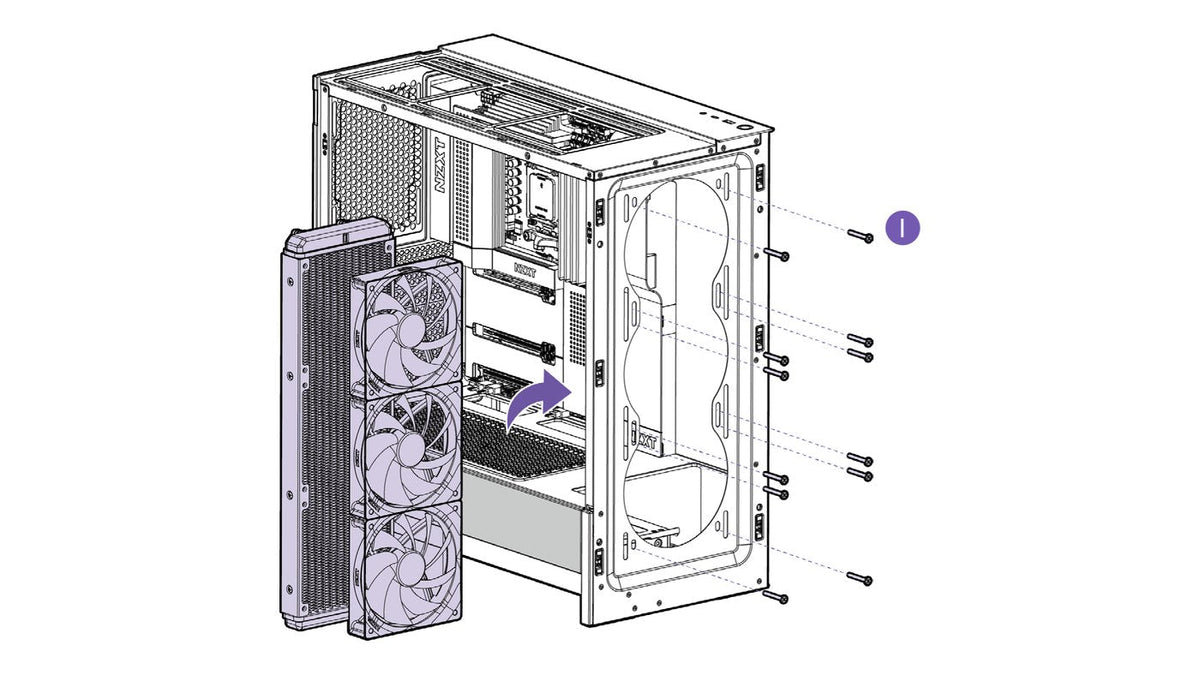
Case: airflow keeps every part running cool, memory included. The H6 Flow and H9 Flow pull cool air straight across the motherboard, and the H5 Flow does it in a smaller footprint. Not sure on size? See what size PC case you need.
CPU cooling: a Kraken AIO keeps your CPU cool and quiet, so it can make full use of fast DDR5. Compare sizes in 240 vs 280 vs 360 vs 420mm AIO.
Power supply: a PSU outlasts several GPU and memory upgrades. The C850 Gold Core is ATX 3.1 with a native 12V-2x6 connector and a 7-year warranty. Size yours with how much PSU wattage you need.
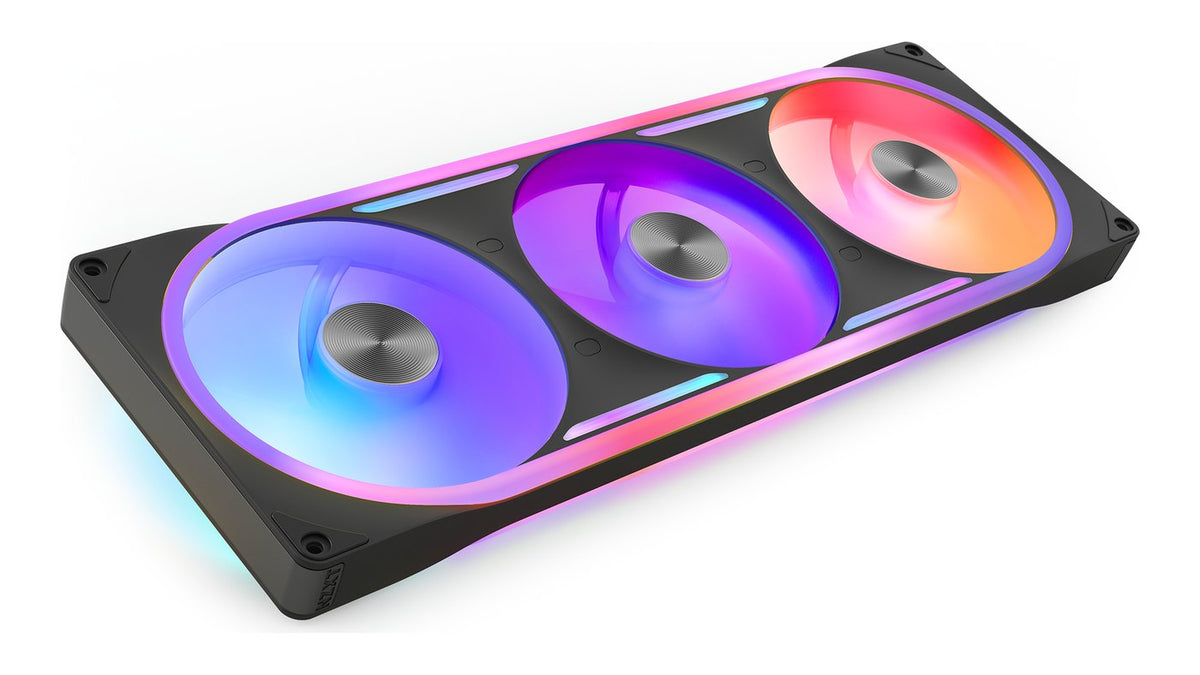
Fans: steady airflow across the motherboard helps memory hold its rated speed. See NZXT case fans and how many case fans you need.
Motherboard: NZXT motherboards run DDR5 at its rated speed through EXPO on AMD and XMP on Intel. Here is how to turn XMP or EXPO on.
Buy the RAM kit last, once the rest of the build is set, so you can watch prices for as long as possible.
Buy an NZXT Player PC
Our Player PCs are professionally assembled, optimized, and tested to ensure they deliver smooth, reliable performance right out of the box. Memory costs affect every PC maker, NZXT included. When RAM prices move, prebuilt PC prices can move with them, so check the current price on each Player PC page. Every Player PC ships with memory we have tested for its tier.
Player One: Optimized for smooth 1080p gameplay across every genre. The Player One includes all the necessary RAM for a great experience at this resolution.
Player Two: Optimized for smooth, high-FPS 1440p gaming with power to stream. This system includes a higher capacity and faster memory kit to prevent CPU bottlenecks at higher refresh rates.
Player Three: Optimized for smooth 4K performance for gaming and content creation. The Player Three comes equipped with the highest capacity of the fastest DDR5 memory to handle 4K gaming and heavy content creation tasks simultaneously.
Prime versions: Always upgraded with higher specs (GPU, CPU, RAM, storage) and additional upgrade paths for more performance headroom. The Prime line offers the absolute fastest RAM available for even greater long-term value.
Subscribe with NZXT Flex
If you want immediate access to a high-performance PC without the commitment of a large upfront purchase, our subscription is a simple, flexible solution.
NZXT Flex is a monthly subscription that gives you access to powerful gaming PCs with maximum flexibility. You can swap between tiers, refresh to the latest hardware, or cancel anytime—with no commitment.
How RAM speed is measured: MT/s, CAS latency, and XMP/EXPO
When you look at RAM, you see two main numbers: capacity (GB) and speed (MHz or MT/s). Both matter, but speed has an immediate, noticeable impact on gaming performance.
DDR5-6000 (MT/s): The number 6000 refers to the Megatransfers per second (MT/s) or the effective speed. Higher is better, as it allows the memory controller on the CPU to access data faster.
CAS Latency (CL): This is the timing—a lower number is better, as it represents the delay (in clock cycles) between when the CPU requests data and when the RAM delivers it. For example, CL30 is better than CL40 at the same speed.
XMP/EXPO: These are profiles (Intel/AMD, respectively) that let you easily run your RAM at its advertised, high speed. You must activate this setting in your motherboard's BIOS after installation.
The current memory price spike is not a signal that gaming is becoming unaffordable, but a side effect of major technological shifts in the global computing landscape. The good news is that NZXT is committed to providing stable, powerful, and reliable systems for every gamer. You can confidently move forward with a powerful new rig, knowing that you have options to build, buy, or subscribe with NZXT.
RAM prices: frequently asked questions
Why is DDR5 RAM so expensive?
DDR5 competes with AI servers for the same production lines. Memory makers are prioritizing HBM and high-capacity server DDR5, which leaves less consumer DDR5 for retail, while demand from new builds keeps rising.
Why is DDR4 getting more expensive instead of cheaper?
Manufacturers are winding down DDR4 production. Supply is shrinking faster than demand from older platforms, so DDR4 prices are rising even though it is the older standard.
Is RAM still expensive in 2026?
Yes. TrendForce put Q1 2026 contract prices up a record 90 to 95%, with more increases in Q2. Growth slowed in Q3, but prices remain far above 2025 levels.
Will RAM prices go down?
Not soon. Relief needs new fab capacity or a slowdown in AI server demand, and neither is expected in 2026.
Should I buy RAM now or wait?
If your current kit works, wait. If you need a new build, buy the capacity you need once, 32GB of DDR5 for most gamers, and put the rest of your budget into parts that last, like your case, cooler, and power supply.
The bottom line
The current high cost of RAM is driven primarily by soaring AI and data center demand, which has forced manufacturers to prioritize production away from consumer DDR4 and DDR5. This reduced supply has made all memory more expensive for PC builders and system integrators. You can navigate this market confidently by choosing an NZXT Player PC with tested memory, or by using NZXT components to build a system that maximizes performance for the memory you purchase.